Chronic Uncertainty: Books I Wish I’d Had When (Nearly) Everything Changed
Today I’m celebrating the International Day of People with Disability 2020 in all its pride and diversity by recommending a few wonderful books written by people with lived experience of disability and chronic illness. The term in this post’s heading ‘chronic uncertainty’ is borrowed from Jacinta Parson’s excellent new memoir Unseen, mentioned below.
It’s been 16 years since my own health changed and I began losing the ability to walk unassisted, back in 2004. But it wasn’t until 2010 that I found a book that told me I was not alone.
That book was the memoir The Sound of a Wild Snail Eating by US author Elisabeth Tova Bailey.
THE SOUND OF A WILD SNAIL EATING by Elisabeth Tova Bailey
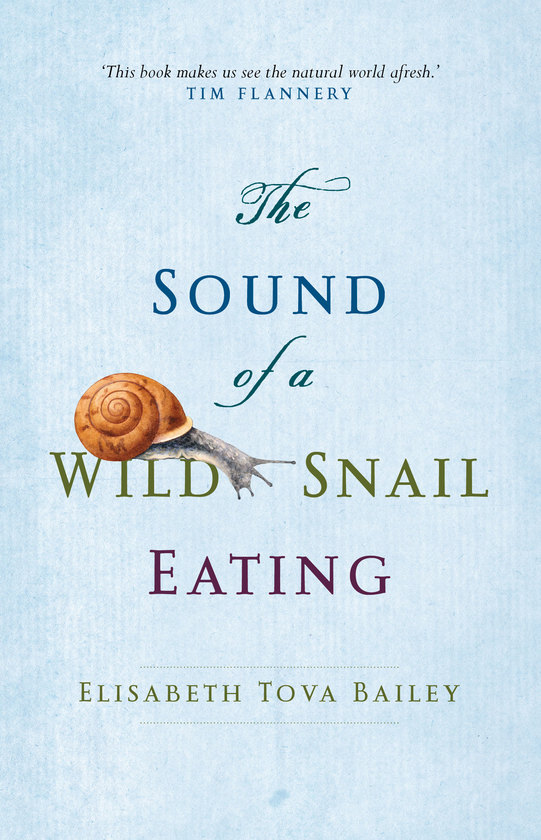 Struck down by a virus while travelling, Elisabeth Tova Bailey instantly becomes a ‘horizontal person’. Her world shrinks to the size of a terrarium of potted violets next to her bed, a gift from a friend. But then she hears a sound. A snail is munching through those violets.
Her diminished view opens up into the broader natural world of snails, gastropods, connecting with scientists and readers alike. The image which resonated with me the most was her idea of while so many of us exist in isolation, we are like thousands of lights burning all over the world.
In 2010, I wrote a review of this book for a local newspaper – a job I was offered which changed my life. Every month I was paid $20 per 400 word review and allowed to keep the book – important because I could no longer afford to buy books. This was a tiny but huge step in rediscovering my fragmented writer self, piecing together a purpose, and a regular pattern to my month.
HOTEL WORLD by Ali Smith
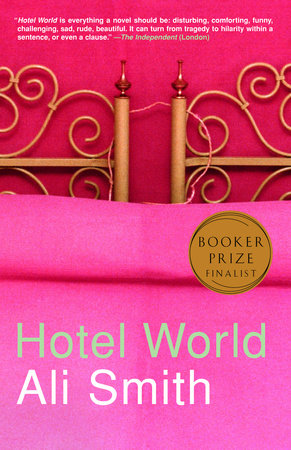 Scottish author Ali Smith is one of my all time favourite writers. Best known for her prize-winning brilliantly political, witty and structurally ingenious books, she’s also had Chronic Fatigue Syndrome/ME. I didn’t know this until I read the opening lines of the chapter ‘Future Conditional’ in her 2001 Booker shortlisted novel Hotel World – lines which could only be written by one who knows:
About you – continued…
If you need help filling out this form, or any part of it, phone…
Tell us about yourself.
Well. I am a nice person.
The protagonist is trying to explain to the government welfare officers why she can no longer do her job at a hotel. Her head feels ‘like a bison’, and she exists between worlds, lost in her room at her mother’s house, not fitting into anyone’s definitions, including her own. She hesitates over the welfare application form. Will she write ‘I am a nice person’ or will she cross out the word ‘nice’ and replace it with ‘sick’? She’ll do it in a minute, except she can’t remember how many minutes there are in an hour, how many hours in a day… etc.
SO LUCKY by Nicola Griffith
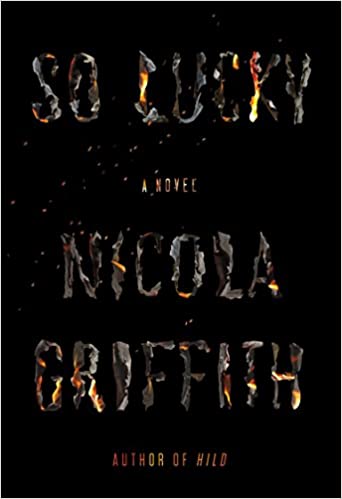 UK-born writer Nicola Griffith’s 2018 book So Lucky packs a punch. The protagonist Mara works at a not-for profit LGBTQIA+ health support organization. On the day her wife walks out of their marriage, Mara feels a weird sensation in her leg. She’s diagnosed with Multiple Sclerosis (MS), and so begins her reckoning with an ableist world – including her office colleagues who can’t see the need to install a ramp – and her own changing sense of self. Here’s my review of So Lucky on Newtown Review of Books.
Nicola’s best known book is the much-acclaimed historical novel Hild set in the Dark ages. Apparently there’s another novel on the way. Nicola’s blog posts ‘Lame is so Gay: A Rant’ and ‘Coming Out as a Cripple’ and her work on own voices is essential reading for any writer or reader who might assume they know what living with a disability is like. Highly recommended.
(Thanks to Nicola Griffith’s help, I finally wrote about my health, publishing the short story ‘Standing Up Lying Down’ in Overland, based on my own experiences back in the early 2000s trying to discover why I couldn’t walk.)
New Books
This year there’s been a crop of excellent Australian books – books I wish had been around when I was navigating the health maze.
SHOW ME WHERE IT HURTS by Kylie Maslen
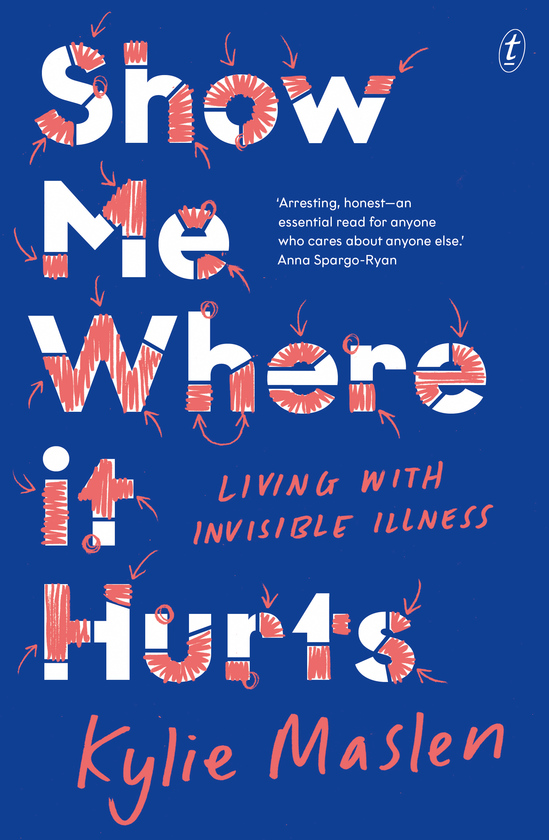 Kylie Maslen’s memoir ‘Show Me Where It Hurts: Living With Invisible Illness’ peels back the layers of being young and working through multiple health problems, and the labyrinthine process of trying to find out what is going on. Eventually the author learns she has endometriosis, and bi-polar. She has so much to juggle here, including the changes and losses of identity, work, income, and a presumed future. There’s also the beautiful interweaving of the things that get her through – including Beyonce.
The line in this book which resonated with me the most was about the author finally finding a diagnosis and how that offers her a chance to connect with others.
UNSEEN by Jacinta Parsons
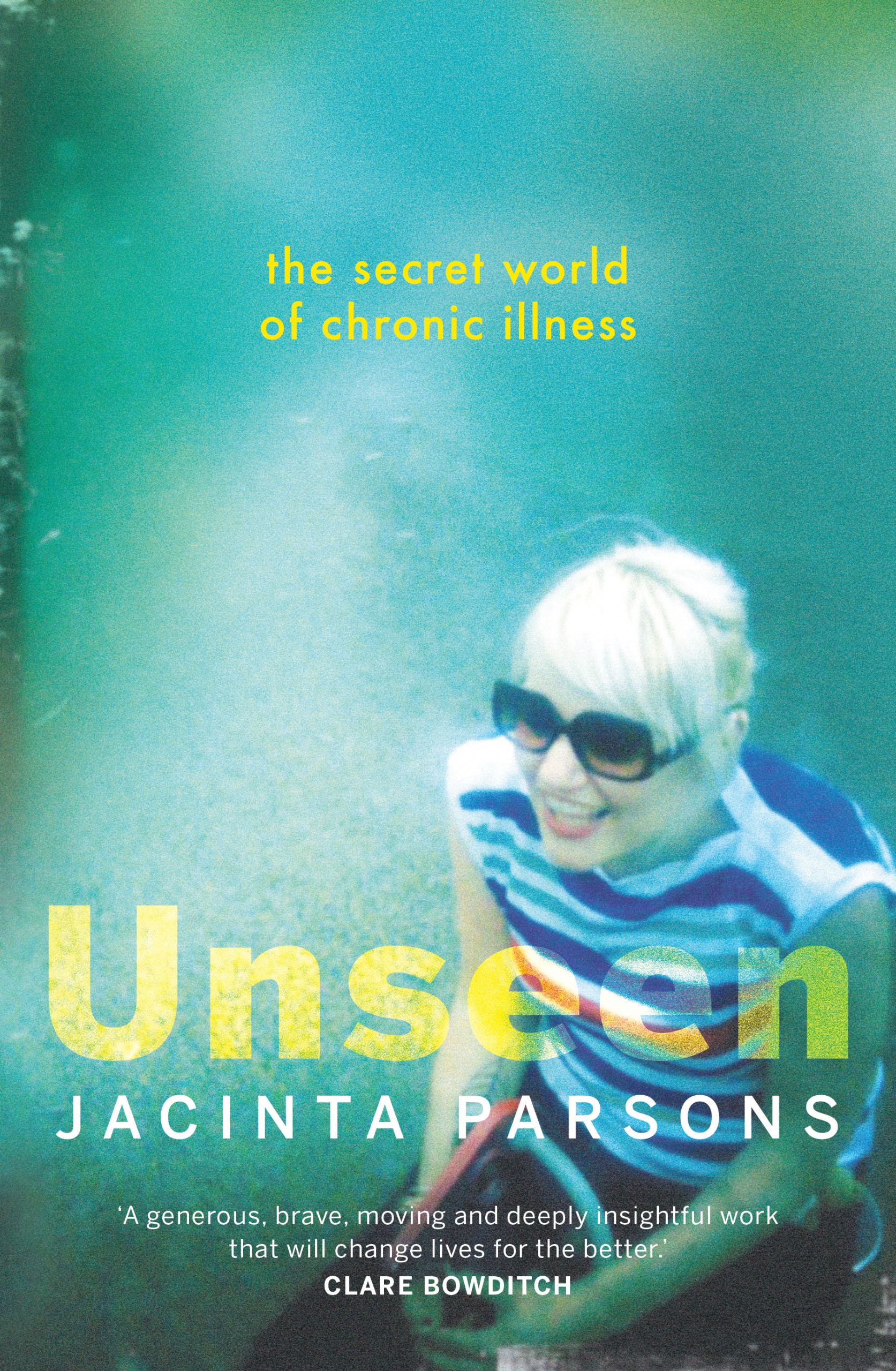 Broadcaster Jacinta Parson’s new memoir ‘Unseen’ details her rocky path through the medical and social world, and the many challenging physical difficulties of managing Crohns Disease. There is much to unpack here, including the history and politics of women’s bodies, the need to be listened to and believed, the tensions between independence and reliance on others, and making a new life in work and with family.
The zinger is her comment about being diagnosed with a chronic condition is like being diagnosed with ‘chronic uncertainty.’
In the To Be Read Pile
Books Coming Soon in 2020
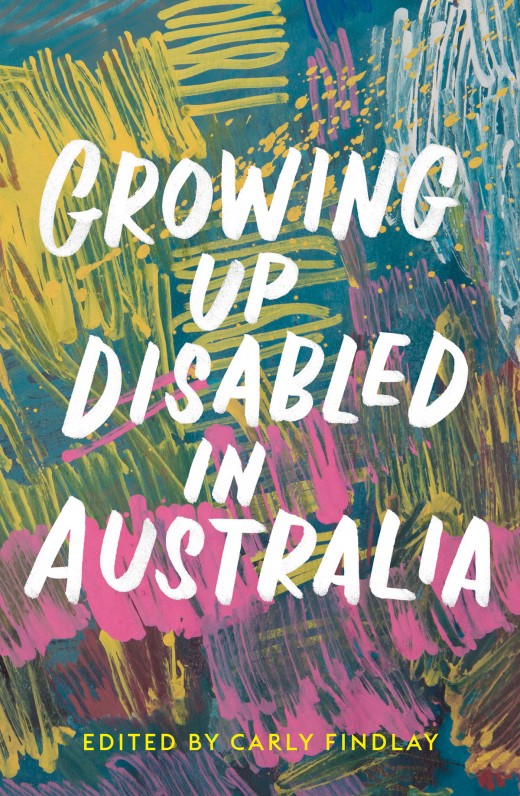 Growing Up Disabled In Australia will be published by Black Inc in February 2021. Edited by appearance activist, writer, and speaker Carly Findlay, this is latest in the Growing Up series, and showcases over 40 pieces of writing from emerging and established writers.
‘One in five Australians has a disability. And disability presents itself in many ways. Yet disabled people are still underrepresented in the media and in literature.’
I’m also looking forward to Anna Spargo Ryan’s new memoir A Kind of Magic (Picador) July 2021, which was at the centre of a heated publishers’ auction.
More Favourites
I’ve been waiting to read Anna Spargo-Ryan’s brilliant new memoir A Kind of Magic: A Memoir about Anxiety, Our Minds, and Optimism. – riveted by her clarity and honesty, her expansive and beautiful writing, and her humour. I read it in one sitting.
Another fine and important book Ill Feelings: Stories of Unexplained Illness by @alicehattrick is incisive and genre-bending in its exploration of the author’s and their mother’s illness ME/Chronic Fatigue, intertwined with works by Emily Dickinson, Elizabeth Barrett Browning, Virginia Woolf, Florence Nightingale, Susan Sontag etc.
“Lockdowns afforded those in the kingdom of the well insight into the kingdom of the ill…. Maybe I’m projecting.”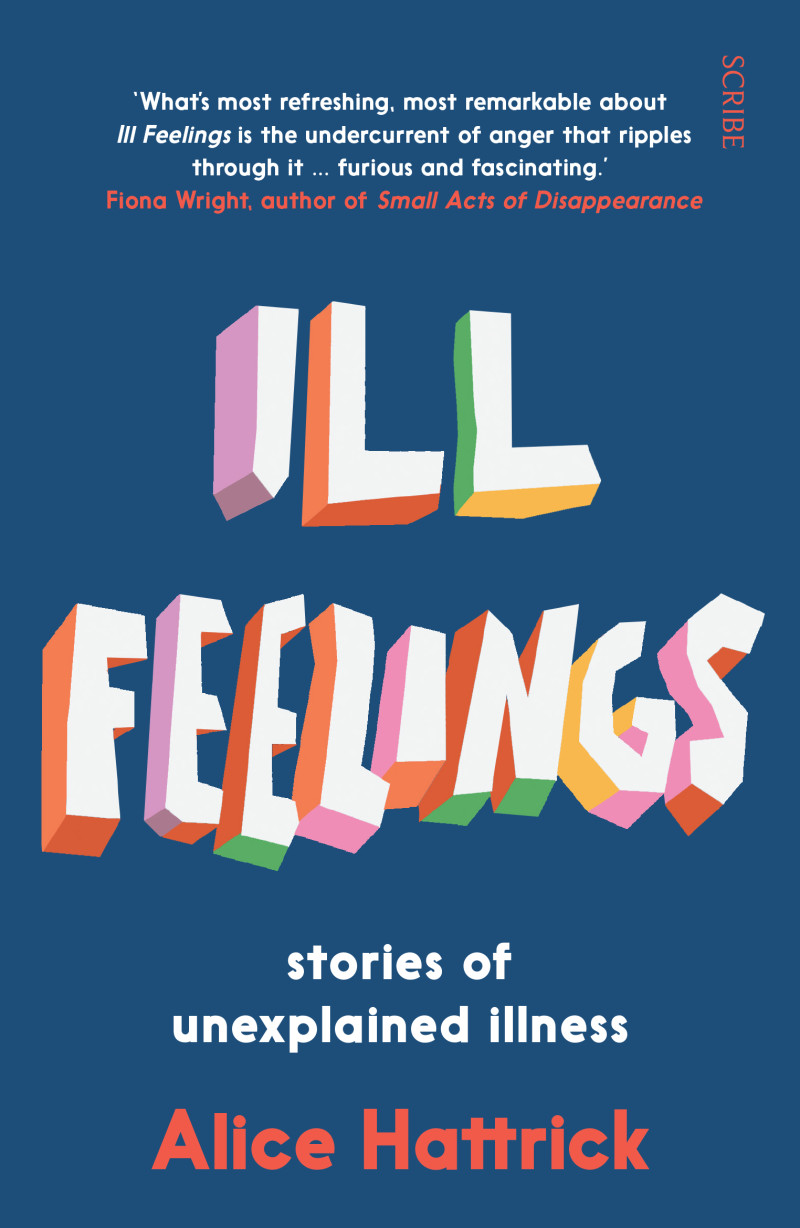
There are so many other excellent books on disability and chronic illness. They’ll continue to resonate and change lives because of their authors’ honest and generous insights into living in a world that does not always understand, value, or accommodate, those of us deemed as ‘different’.
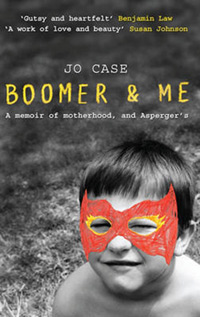 Jo Case’s wonderful memoir Boomer and Me: A Memoir of Motherhood and Asperger’s, the ground-breaking Say Hello by Carly Findlay, and Jessica White’s hybrid memoir on deafness Hearing Maud: A Journey Through Voice – which has just been shortlisted for the Prime Minister’s Literary Award.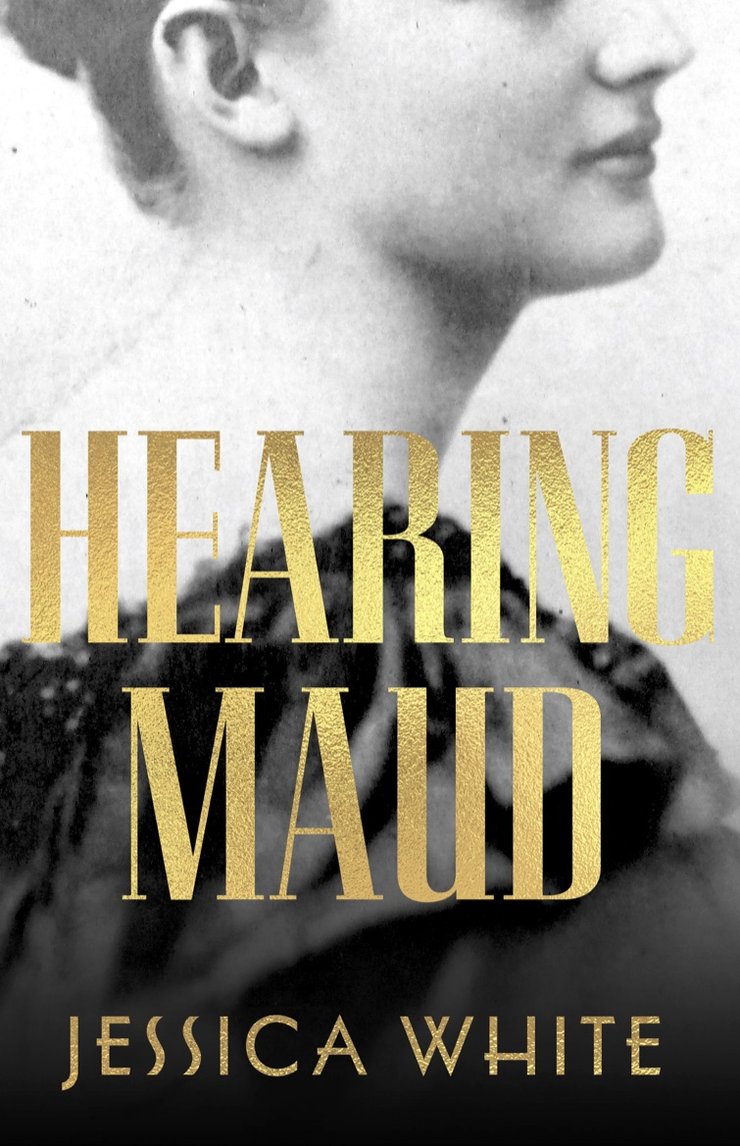
Many things need to change for everyone living with a disability and chronic illness, whatever our particular needs, aims, and situations. I’ve met some wonderful people in the medical world who’ve helped a great deal, despite their often frantic workloads. This gives me hope for better understanding and working together from both sides of the desk.
These books will help. 
A note about me:
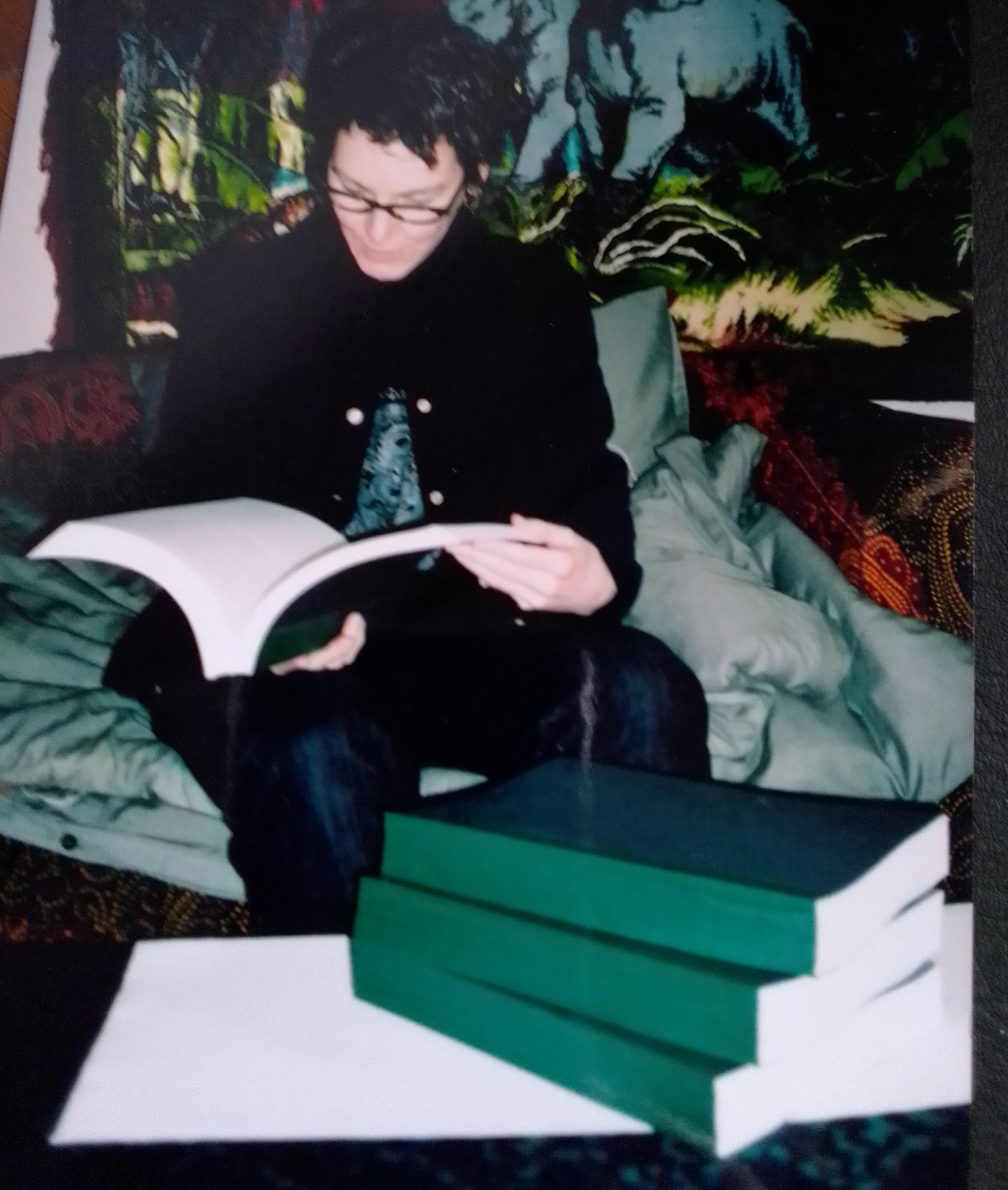
Here’s a photo of me in 2006 in my Melbourne lounge-room, ready to submit my PhD. After I began losing the ability to walk in the early 2000s, I had to leave my full time job. For 10 months I worked for 20 minutes on some days to finish my thesis and PhD novel. The four PhD tomes were too heavy for me to deliver in person – you can’t carry much when you use a walking stick.
By then, I could no longer drive or take the bus because of loss of balance. The tram was better, but the tram stop was too far away. A friend drove me to the university but we weren’t allowed to park in the Disabled parking because I didn’t have a permit, which wasn’t possible to arrange by phone or online. We managed to persuade a security guard to let us park briefly by a door. Fortunately the lifts to the fifth floor English Dept were working. We moved slowly along the corridors until we came to one of my two wonderful supervisors’ offices and celebrated the moment with tea and cake. Since then, I’ve regained the ability to walk unassisted, and continue to live with several health conditions including Chronic Fatigue/ME. My PhD novel was published in 2015 as The Floating Garden and shortlisted for the Small Press Network Book of the Year 2016.
Emma Ashmere’s short story collection DREAMS THEY FORGOT follows her critically acclaimed debut novel THE FLOATING GARDEN, shortlisted for Small Press Network Book of the Year. Short fiction & nonfiction publications include: the Age, Meanjin, Commonwealth Writers magazine adda, Overland, Griffith Review, Short Australian Stories, Review of Australian Fiction, Sleepers Almanac, #8WordStory on three Brisbane city billboards, NGVmagazine. Winner: joanne burns Microlit Award 2024. Short story finalist: Commonwealth Writers Prize, Furphy Literary Award 2024, Carmel Bird Digital Award, Newcastle Short Story Award, Overland NUW Fair Australia Prize, and Age Short Story Competition. Longlisted: Big Issue Fiction Edition and Heroines Prize. Anthologies: Scorchers, Heroines, Meniscus, Glimmer Press FUTURES. Read more on short and long stories here. Living on Bundjalung country in regional New South Wales.
Original post 2020.
 Emma Ashmere